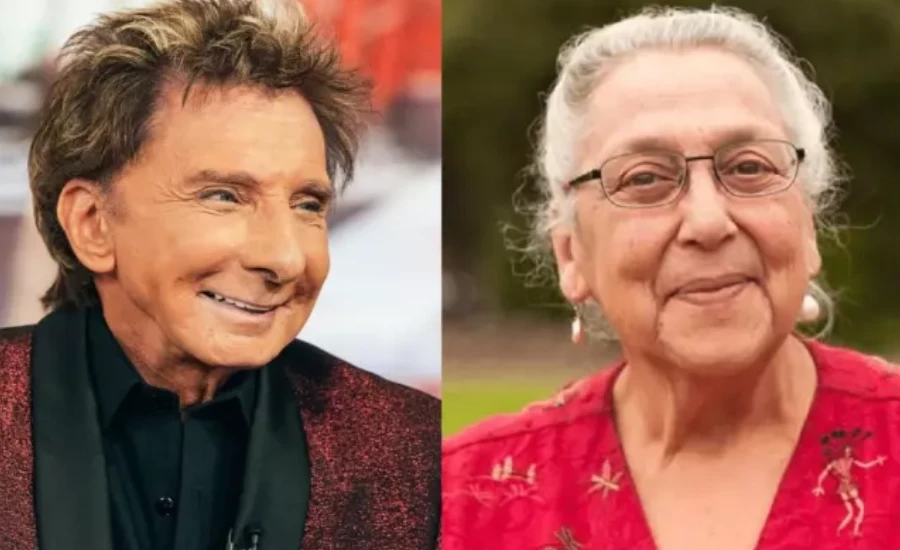

Most people only know one thing about Susan Deixler: she was married to Barry Manilow for about a year in the 1960s.
But that’s like looking at someone’s high school yearbook photo and thinking that’s their whole life story.
The real Susan Deixler? She’s a woman who faced a life-changing heartbreak, picked herself up, and built something meaningful on her own terms. She raised two kids without a partner. She spent thirty-plus years caring for elderly people. She turned down fame and chose quiet instead.
Her story isn’t flashy. It’s something better. It’s real.
Quick Bio Facts Table
| Detail | Information |
|---|---|
| Full Name | Susan Deixler |
| Birth Year | 1944-1945 (August) |
| Current Age | Late 70s/Early 80s |
| Birthplace | Brooklyn, New York |
| Current Location | Point Reyes Station, California |
| High School | Eastern District High School, Brooklyn |
| Parents | Al Deixler & Nettie Deixler |
| Ex-Husband | Barry Manilow (married 1964-1966) |
| Children | Pauline & Danny |
| Profession | Holistic Healer, Senior Care Manager |
| Years in Senior Care | Over 30 years |
| Marital Status | Never remarried |
| Known For | Barry Manilow’s first wife, community service |
| Social Media | None (intentionally private) |
| Net Worth | Not publicly disclosed |
| Personality | Private, kind, service-oriented |
Growing Up in Brooklyn
Susan was born in the mid-1940s in Brooklyn, New York. This was a borough full of energy, diversity, and hardworking families. It wasn’t fancy. It was real life.
She was raised by her parents, Al and Nettie Deixler, who gave her a strong foundation of love and encouragement. They believed in her abilities, supported her ambitions, and inspired her to stay active by joining clubs and participating in different activities.
Brooklyn shaped who she would become. It taught her to be tough but kind. Practical but still ambitious. She would carry these lessons her whole life.
The High School Years
Eastern District High School in Brooklyn is where Susan’s story really begins.
She wasn’t invisible there. Far from it. Her classmates remembered her as someone special. One person who went to school with her described her as “bubbly.” She had friends everywhere. Teachers liked her. Other students liked her.
This wasn’t the popular girl who was mean. This was the girl who was genuinely nice to everyone.
During her senior year, she served as president of the student government. That means her classmates trusted her to lead them. She sang in the chorus. She was in the Chemistry Squad—she had a scientific mind. She bowled. She swam. She wasn’t just one thing. She was everything.
Her friends would have bet anything that Susan Deixler would have a great life. They were right. It happened—but not in the way any of them had imagined.
Meeting Barry
There was a boy in her school. His name was Barry Alan Pincus.
He was quiet. Serious. Different. He had musical talent that was obvious to anyone who listened. He wasn’t like the other guys. He had a dream.
Barry was a year ahead of Susan. That’s just enough of an age difference to make someone seem more mature when you’re in high school.
Somehow, these two found each other. She wasn’t shy about showing interest. He couldn’t believe his luck that someone as wonderful as Susan would want to be around him.
They had something real. They spent time together. They made music together—she played piano too. They talked about their dreams. They thought they had forever.
They were just teenagers in love. Which means they thought they understood everything about life. They didn’t yet understand that sometimes, the most important relationships aren’t meant to last forever. Sometimes they’re meant to teach you things and then let you go.
Getting Married Too Young
By 1964, they were both out of high school. Susan was nineteen. Barry was twenty.
And they decided to get married.
This might sound crazy to people today. But back then, this was something people did. Young love felt urgent. Important. Final.
They got married first in a simple civil ceremony—just walking into city hall during lunch break, saying their vows in front of a judge. Quick. Clean. Done.
But the families got involved. Susan’s parents wanted a real wedding. A rabbi ceremony. So they did that too.
Then there was a reception. Susan’s family threw a big party for them. Then Barry’s family threw another reception. It got complicated. It got messy between the families.
But in that moment, Susan and Barry were happy. They had each other. They were starting their life. What could go wrong?
Almost everything, it turned out.
The Marriage Crumbles
Susan and Barry moved into a small apartment together in Greenwich Village, in New York City. This was exciting. This was their life as adults, together, finally.
But Barry’s attention was elsewhere. Music was calling to him. Real opportunities were coming. Recording studios wanted his arrangements. Theaters wanted his compositions. Producers were noticing him.
He had to choose. And he chose music.
This wasn’t a gradual thing that happened over time. This was him saying: I have to go. I have to pursue this. I can’t stay here. I can’t be a husband right now.
Susan was devastated. She felt abandoned. She wasn’t just losing her husband. She was losing the future she thought they had.
Barry didn’t stay to work it out. He didn’t try to find a compromise. He left to chase his musical dreams.
Susan was left with a decision: get even, or move forward. She chose to move forward.
She filed for an annulment. Not a divorce—an annulment. That’s different. An annulment says the marriage never really happened in the first place. It’s cleaner. Less messy.
The annulment was finalized on January 6, 1966.
What Barry Said Later
Years later, when Barry became famous, he talked about Susan in interviews.
He called her “the perfect wife.” He said he was in love with her. He admitted that leaving was his fault, not hers. He said he was too immature. Too focused on music. Too young to understand what a commitment meant.
He explained that he couldn’t give her what she needed because he was too busy chasing what he wanted.
These weren’t the words of a man without regret. These were the words of someone who spent decades thinking about the choice he made.
But by the time he was saying these things, Susan had already moved on.
Building a Life Without Him
After the annulment, Susan could have done several things. She could have held a grudge. She could have tried to get his attention as he became famous. She could have sold her story to magazines. She could have acted bitter.
Instead, she did something harder. She moved forward.
She didn’t stay in New York feeling sad about what happened. She didn’t hang around waiting for Barry to realize he made a mistake.
She moved to California. She found a tiny town called Point Reyes Station. It’s a place with fewer than four hundred people. It’s beautiful and quiet and far away from fame.
In California, Susan focused on healing work. She studied holistic healing methods. She learned about acupressure, about natural wellness, about helping people feel better without pills and hospitals.
She wasn’t running away. She was running toward something. Something that mattered to her.
Becoming a Mother
At some point in her life, Susan had two children. A daughter named Pauline and a son named Danny.
She didn’t marry their father. She didn’t stay married to their fathers. She chose to raise them on her own.
This wasn’t easy. Single motherhood never is. But Susan was committed. She worked. She provided. She loved her kids fiercely.
By all accounts, Pauline and Danny turned out well. Pauline became a lawyer. Danny became a musician and builder. Susan raised them right.
She never regretted having them. They became her greatest joy. They gave her life purpose and meaning beyond anything she might have gotten from fame.
A Career in Elder Care
When her kids got older, Susan found her real calling: taking care of elderly people.
She started as a volunteer. She had a neighbor who was aging, who didn’t have family nearby. Susan helped her. She saw how hard it could be to get older in a rural area like West Marin. There were no doctors close by. No transportation. No one to help.
This experience changed something in her.
She decided to make this her career. She became certified in care management. She got trained to help seniors navigate healthcare, find resources, arrange transportation, coordinate appointments.
For over thirty years—more than three decades—Susan worked for West Marin Senior Services. That’s not a job. That’s a calling.
Her boss at the time described her as “a West Marin Original.” Someone special. Someone who wore her heart on her sleeve. Someone who said “yes” to people’s needs and actually meant it.
She helped seniors apply for programs. She drove people to doctors. She arranged meal deliveries. She listened to people who were lonely. She made a difference in actual human lives every single day.
The Swimming Program and the Food Pantry
Susan did something specific that mattered. She created a Senior Swim Program at a local beach called Heart’s Desire. She knew that swimming was good for aging bodies. That it helped people feel younger. That it gave them joy.
She started a program so seniors could come swim together. It wasn’t fancy. It was exactly what people needed.
She also started a food pantry. She knew that some elderly people in her community weren’t eating well. They couldn’t afford good food. Or they couldn’t get out to buy it.
So she made sure fresh, healthy food was available to them. High-protein foods. Real nutrition. Not charity that felt like charity. Just people being fed properly.
These weren’t big splashy projects. They were quiet, practical solutions to real problems.
When Barry Married Garry
In 2014, Barry Manilow married Garry Kief, his longtime partner and manager. They had been together since the 1970s.
When the news came out, reporters called Susan. They wanted her to say something dramatic. They wanted her to be upset. They wanted conflict.
Instead, Susan said something simple: “I’m happy for him. I’m glad that he’s found love and happiness.”
She said their history was “ancient history.” She didn’t want to dig into the past. She wanted him to be happy. And she meant it.
This says something important about who Susan is. She didn’t hold grudges. She didn’t spend decades angry. She let people live their lives.
Later, when Barry came out as gay and explained that he hadn’t been struggling with his sexuality during his marriage to Susan (he was just not ready to be married), she accepted his explanation. She moved on.
What kind of person does that? Someone very secure. Someone very kind.
Life in Point Reyes Station
Point Reyes Station is not a place you move to by accident. You move there on purpose.
It’s tiny. It’s quiet. It’s far from everything. You can’t just run to the mall or catch a movie easily. You have to really want to be there.
Susan chose this place. She stayed there. It became her home.
She lived simply. She didn’t try to be fancy. She didn’t brag about her past. She didn’t go around telling people she used to be married to a famous singer.
To her neighbors, she was just Susan. A woman who cared about people. A woman who worked hard. A woman you could depend on.
Her Philosophy on Life
If you read what Susan has said about her life, a clear philosophy emerges.
First: family first. Her kids mattered more than anything else. More than fame, more than money, more than what anyone thought of her.
Second: service matters. Helping people who need help isn’t optional. It’s what you do.
Third: privacy is a choice worth making. You don’t have to share your life with the world. You don’t have to be on social media or give interviews. You can just live.
Fourth: peace is valuable. She chose a quiet life over a loud one. She chose a small community over fame. She was right to do that.
Fifth: people are more important than things. Money and possessions don’t bring happiness. Relationships and meaningful work do.
Never Remarrying
Susan never married again after her annulment from Barry.
This might surprise people. Why wouldn’t someone as kind and capable as Susan find another partner?
But maybe she didn’t want to. Maybe she was focused on her kids. Maybe she’d been hurt enough by one marriage ending. Maybe she was happy on her own.
Whatever the reason, she didn’t let that define her. She didn’t seem bitter about it. She didn’t act like something was missing.
She built a full life without a spouse.
What She Looks Like Now
Susan is in her late seventies or early eighties now.
She has gray hair. She’s aged naturally. She’s not trying to look young. She’s living as an older person, openly and authentically.
People who see her around Point Reyes Station describe her as someone who takes care of herself but doesn’t obsess about appearance. Someone who looks like she works with her hands. Someone real.
The Quiet Legacy
Susan Deixler’s legacy isn’t going to show up in music history books. Her name isn’t going to be in the same sentences as Barry’s famous songs.
But she has a legacy nonetheless. It’s just quieter.
It’s the seniors who got their medicines because Susan arranged their appointments. It’s the older people who went swimming because Susan created that program. It’s families who knew their grandparents were fed because Susan made sure a food pantry existed.
It’s Pauline and Danny, who became good people because their mother loved them fiercely and worked hard for them.
It’s the example of a life lived deliberately, away from fame, focused on what matters.
That’s a legacy worth having.
What We Can Learn From Her
Susan Deixler’s story teaches us several things.
First, you don’t need fame to have a meaningful life. Susan did important work that nobody made documentaries about. Nobody celebrated her in magazines. But she mattered.
Second, you can recover from heartbreak and build something beautiful afterward. Her marriage ended. It was painful. But it wasn’t the end of her story. It was just a chapter.
Third, service to others is where real fulfillment comes from. Susan didn’t get rich working in senior care. She didn’t become famous. But she was happy. She felt useful. She knew she was making a difference.
Fourth, privacy is okay. You don’t have to live your whole life in public. You don’t have to monetize your pain or your past. You can just live.
Fifth, letting people go—even if you loved them—is sometimes the kindest thing you can do. Susan never tried to hold Barry back or make him feel guilty. She let him be who he needed to be.
Releated: Ashton Meem
Frequently Asked Questions About Susan Deixler
Q: How long were Susan Deixler and Barry Manilow married?
A: They were married for approximately one year, from 1964 to 1966. It was a brief marriage that ended in annulment.
Q: Did Susan and Barry have children together?
A: No. Susan and Barry did not have any children during their marriage. Susan had two children, Pauline and Danny, with different partners after her marriage ended.
Q: What is Susan Deixler’s current job?
A: Susan works as a Care Manager at West Marin Senior Services, where she helps coordinate healthcare and support services for elderly people in rural California. She has been doing this work for over thirty years.
Q: Where does Susan Deixler live now?
A: Susan lives in Point Reyes Station, California, a small town with fewer than four hundred residents. She has lived there for decades.
Q: Did Susan ever talk publicly about her marriage to Barry Manilow?
A: Rarely. Susan is a very private person. She has given only a few brief interviews over the years. When Barry’s marriage to Garry Kief became public, she expressed happiness for him but refused to rehash the past.
Q: What did Barry Manilow say about Susan Deixler?
A: In interviews and his autobiography, Barry called Susan “the perfect wife” and took full responsibility for the marriage ending. He said he was in love with her but wasn’t ready to be married. He acknowledged leaving her to pursue music was his choice and his mistake.
Q: Why did Susan choose a small town in California?
A: After her marriage ended, Susan wanted to get away from the city and the reminders of her past with Barry. She moved to Point Reyes Station for its quietness and peace. It turned out to be the perfect place for her to build a life focused on helping others.
Q: What kind of work does Susan do in senior care?
A: Susan is a care manager who helps elderly people coordinate medical appointments, arrange transportation, access meal programs, and find resources they need. She also started programs like a senior swimming group and a food pantry for low-income elderly people.
Q: How did Susan Deixler and Barry Manilow meet?
A: They met as teenagers at Eastern District High School in Brooklyn, New York. Barry was a senior, and Susan was a junior. They bonded over their shared love of music and became close friends before starting to date.
Q: What was Susan like in high school?
A: Susan was a popular student who was well-liked by everyone. She was involved in many activities: student government president, school chorus, Chemistry Squad, swimming, and bowling club. Classmates described her as “bubbly” and someone “no one disliked.”
Q: Does Susan Deixler have social media accounts?
A: No. Susan deliberately avoids social media. She is a private person who prefers to keep her life out of the public eye. This is an intentional choice on her part.
Q: What is Susan Deixler’s net worth?
A: Susan’s net worth is not publicly disclosed. She has worked in nonprofit senior care for most of her career, which typically doesn’t pay high salaries. She appears to live modestly and focused on meaningful work rather than money.
Q: Did Barry Manilow ever contact Susan after they divorced?
A: According to some sources, Barry has checked in on Susan over the years to make sure she’s doing well. But Susan maintains her privacy and doesn’t publicly discuss these interactions.
Q: What did Susan name her children, and what do they do now?
A: Her daughter is Pauline, and her son is Danny. Pauline became a lawyer. Danny works as a musician and builder. Susan raised them as a single mother and was very proud of the adults they became.
The Real Story
Susan Deixler will probably never have a Wikipedia page that millions of people read. Her name won’t appear in history books about rock and roll.
But she has done something that’s arguably harder than becoming famous. She has lived with intention. She has chosen what mattered to her. She has helped thousands of people, one at a time, without asking for recognition.
She met a man who became legendary. She loved him. The relationship ended. Instead of being defined by that loss, she built something else. Something real. Something lasting.
That’s not a side note in someone else’s story.
That’s a life fully lived.
Read Next: Elizabeth O’Rourke