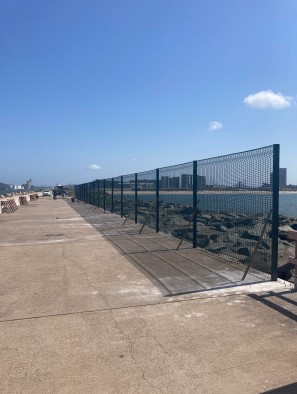

A well-designed fence does more than mark the boundary of a property. It can improve privacy, provide an additional level of security, define outdoor spaces, and contribute to the overall appearance of a home or commercial property.
For properties in Durban, choosing suitable fencing materials is particularly important because outdoor structures are exposed to changing weather conditions throughout the year. Timber fencing remains a popular option because it combines practical functionality with a natural appearance that works well in gardens, residential properties, farms, and commercial spaces.
Whether a property owner is replacing an old boundary fence or planning a completely new installation, understanding the available options can make the project easier to plan.
Why Fencing Matters for a Property
A boundary fence is often one of the first features people notice when approaching a property. However, its purpose goes beyond appearance.
A suitable fence can help:
- Clearly define property boundaries
- Improve privacy
- Separate different outdoor areas
- Protect gardens and landscaped spaces
- Provide additional security
- Keep pets and children within designated areas
- Improve the overall appearance of a property
The right design depends on the property’s location, purpose, budget, and surrounding environment.
Why Timber Is a Popular Fencing Material
Timber has remained a popular fencing material because of its natural appearance and versatility. Unlike some manufactured materials, wood can blend naturally with gardens, trees, lawns, and other landscaping features.
Timber fencing can also be designed in different ways depending on the desired level of privacy and appearance. Vertical boards, horizontal arrangements, posts and rails, and other configurations can all be adapted to suit a particular property.
For homeowners considering fence installations in Durban, treated timber can be particularly useful for outdoor applications where the material needs to withstand exposure to moisture and weather.
Planning a Fence Installation
Good planning is essential before any fence is installed. The first step is to identify the exact area that needs to be enclosed and determine the purpose of the fence.
For example, a homeowner may want a fence primarily for privacy, while a farm may need fencing to contain livestock. A commercial property may have different security and access requirements.
Before installation, consider:
- Property boundaries
- Fence height
- Required privacy
- Gate positions
- Ground conditions
- Drainage
- Existing landscaping
- Expected maintenance
- Local requirements
Planning these details beforehand can prevent unnecessary changes once installation has started.
Wooden Fencing for Residential Properties
Residential properties can benefit from timber fencing in several ways. A properly designed wooden fence can create a clear boundary while maintaining a warm and natural appearance.
It can also be used to divide different areas of a garden. For example, a homeowner may use fencing to separate a swimming pool area, vegetable garden, children’s play area, or private outdoor seating space.
Because timber can be incorporated into different designs, it can complement both traditional and contemporary properties.
Fencing for Farms and Larger Properties
Timber fencing is not limited to residential applications. It can also be used across agricultural and rural properties.
Farm fencing may be required for:
- Livestock areas
- Property boundaries
- Crop protection
- Internal paddocks
- Access control
- Garden and orchard areas
Large properties may require considerable lengths of fencing, making material selection particularly important. Durable posts and suitable construction methods can help reduce maintenance requirements over time.
The Importance of Proper Installation
Even high-quality fencing materials can perform poorly if they are not installed correctly.
Posts need to be positioned securely, with appropriate spacing and sufficient support for the type of fence being constructed. The terrain should also be considered because sloping or uneven ground may require adjustments to the installation approach.
Professional installation can help ensure that the finished fence is stable, aligned, and suitable for the intended purpose.
This is particularly important for larger projects where small installation problems can become more expensive to correct later.
Choosing Wooden Fence Installations
Property owners considering wooden fence installations should look at more than just the appearance of the finished fence.
The timber specification, treatment, dimensions, installation method, and expected exposure to weather can all affect long-term performance.
A quality timber fence should be selected according to its environment and intended use. A decorative garden fence may have different requirements from a boundary fence exposed to wind, rain, and soil moisture.
How Landscaping and Fencing Work Together
A fence can become part of the overall landscape design rather than simply functioning as a boundary.
Plants, shrubs, trees, pathways, and outdoor structures can all be positioned around the fence to create a more cohesive outdoor environment.
Timber works particularly well with natural landscaping because its appearance complements greenery and other organic materials.
For example, a wooden fence can provide a backdrop for climbing plants or help create separate garden sections without making the outdoor area feel overly enclosed.
Maintenance Considerations
Outdoor fencing is exposed to the elements, so regular inspection is important.
Property owners should periodically check for:
- Damaged timber
- Loose posts
- Worn fixings
- Signs of moisture damage
- Vegetation growing against the fence
- Structural movement
Addressing minor problems early can help prevent larger repairs later.
The amount of maintenance required will depend on the timber, treatment, design, local conditions, and level of exposure.
Choosing the Right Fence for Your Property
There is no single fence design that works for every property. The ideal choice depends on what the fence needs to accomplish.
A homeowner focused on privacy may prefer a more enclosed design, while someone primarily interested in defining a garden boundary may choose a more open arrangement.
Similarly, agricultural and commercial properties may require stronger and more functional fencing systems.
Considering the purpose first makes it easier to select an appropriate design and material.
Conclusion
A good fence can improve both the functionality and appearance of an outdoor space. From residential gardens and private homes to farms and commercial properties, timber fencing provides a flexible option that can be adapted to many different requirements.
Successful fencing projects depend on careful planning, suitable materials, and proper installation. By considering the property’s purpose, environmental conditions, desired appearance, and long-term maintenance requirements, property owners can create a boundary that remains useful and attractive over time.
For Durban property owners planning a new timber boundary or replacing an existing structure, professional fencing solutions can provide a practical way to improve privacy, define outdoor areas, and enhance the overall property.