
Political journalism is a competitive world. Getting people to trust you enough to talk, getting stories published before anyone else, and staying relevant in a news cycle that resets every few hours — it takes a specific combination of persistence, instincts, and deep regional knowledge.
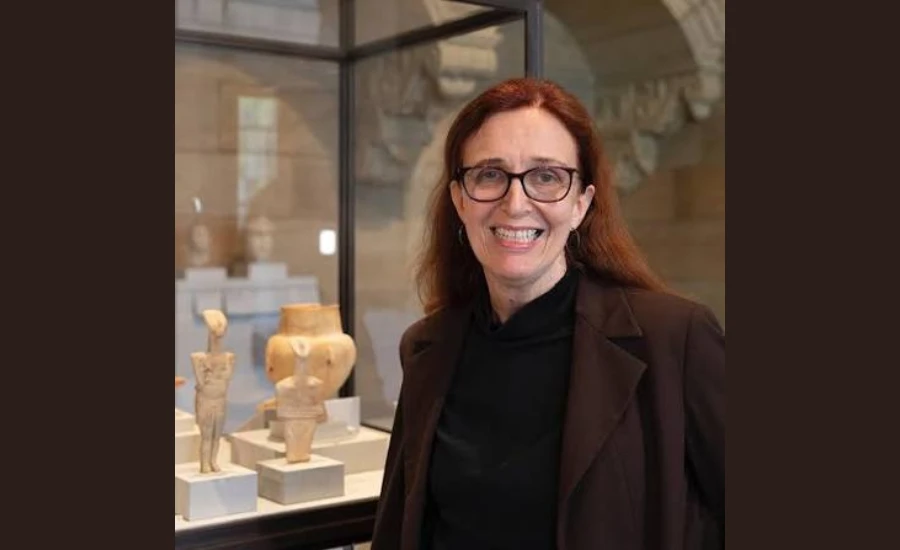
Valerie M. Richardson has built that combination across a career covering politics and the American West for one of Washington D.C.’s most prominent conservative news organizations.
She is based in Denver. She covers the West. She writes for the Washington Times. And she has been doing it long enough that her byline carries real weight in the circles that pay attention to western US politics.
Quick Bio Facts
| Detail | Information |
|---|---|
| Full Name | Valerie M. Richardson |
| Location | Denver Metropolitan Area / Littleton, Colorado |
| High School | Montclair High School |
| Current Role | National Reporter, The Washington Times |
| Coverage Area | Politics and the American West |
| Based In | Denver, Colorado |
| Also Writes For | The Colorado Observer |
| Twitter/X | @valrichardson17 |
| Email (Professional) | vrichardson@washingtontimes.com |
| Beat Topics | Legal policy, government, transgender policy, pro-life movement, education, antisemitism |
| Publication Type | Conservative national newspaper |
| Cited By | Capital Research Center, Intelligent Relations, Muck Rack |
| Personal Life | Not publicly disclosed |
| Date of Birth | Not publicly disclosed |
| Net Worth | Not applicable / not publicly relevant for a journalist |
An Honest Note About What We Know
Valerie Richardson is a working journalist, not a public figure in the celebrity sense. Her personal biographical details — birth date, personal relationships, educational history beyond high school, specific career start date — are not part of any publicly available record.
What is thoroughly documented is her professional work. Her bylines at the Washington Times span years of coverage on specific beats. Her profile pages on LinkedIn, Muck Rack, Capital Research Center, and Intelligent Relations confirm her role, her location, and her areas of coverage.
This article covers what is confirmed. It does not invent biographical details that haven’t been made public.
Who She Works For: The Washington Times
The Washington Times is a daily newspaper based in Washington D.C. that was founded in 1982. It positions itself as a conservative publication, covering national and international news with a particular perspective on government, policy, and culture.
The paper has published major journalists across its history and maintains a national readership. Getting a byline in the Washington Times means your work reaches an audience that includes political insiders, policymakers, and engaged citizens who follow national affairs closely.
Valerie Richardson is listed on the publication’s official staff page as a reporter covering politics and the West. That listing is the most authoritative confirmation of her role.
Denver as Her Base: Covering the American West
Washington D.C. is where most national political reporters congregate. Valerie chose something different.
States across the West—including Colorado, Montana, Wyoming, Utah, Arizona, and New Mexico—each have distinct political identities, unique policy priorities, and their own ways of navigating the balance between state and federal authority, often in ways that differ sharply from the East.
From Denver, Valerie can be physically present when significant political stories break in the Mountain West without relying on secondhand accounts or flying in from a coastal hub. That proximity matters for the quality and authenticity of western political coverage.
The Colorado Observer: Regional Focus
Alongside her Washington Times role, Valerie also writes for The Colorado Observer, a state-focused political news outlet. Her byline appears on that platform for stories with a specifically Colorado or regional angle that fit the Observer’s more local mandate.
Writing for both a national outlet and a regional one simultaneously means managing two different audience expectations. The Washington Times audience is national, interested in the big policy picture. The Colorado Observer audience wants the specific local stakes, the names of the state legislators, the county-level dynamics.
Valerie navigates both.
What She Covers: The Beat in Detail
Her coverage at the Washington Times is broad within its political lane. The Intelligent Relations journalist database, which tracks reporter coverage areas for PR professionals, summarizes her beat as: legal policy, government announcements, evolving political stories, transgender policy, the pro-life movement, education policy, and antisemitism.
Looking at her recent bylines confirms this. She has written about transgender athletes and Title IX policy developments, tracking court decisions and university responses. She has covered the pro-life advocacy space, including legal cases with implications for how states handle abortion access. She has reported on education policy in western states, where school board battles and curriculum disputes have become significant political stories. She has covered antisemitism on college campuses in the context of both federal policy and campus life.
These are not soft topics. They sit at the most contested edges of American cultural and political debate. Covering them for a conservative publication means she writes for an audience with strong opinions and applies the same standards of sourcing and factual accuracy that any professional journalist is expected to maintain.
Montclair High School: The One Educational Detail
LinkedIn lists Montclair High School as her educational background, which places her youth in northern New Jersey. Montclair is a diverse suburban community in Essex County known for its arts culture and its public school system.
The school produces graduates who scatter widely, and Valerie’s path from Montclair to a Colorado-based national political reporter’s career is exactly the kind of journey that doesn’t follow a predictable line.
No college or university is listed on her publicly available LinkedIn profile. Whether she attended university, which institution she attended, and what she studied are not confirmed through any publicly available source.
How She Reaches Sources and Readers
Professional journalism in 2026 is a multi-platform exercise. Reporters don’t just file stories anymore. They build their own presence across social media, engage with readers and sources on X/Twitter, and maintain relationships with people who reach out through professional email.
Valerie’s Twitter handle is @valrichardson17. Her professional email at the Washington Times is publicly listed. Both exist for a reason: sources need to be able to reach her, and she needs to be reachable by people with information she should know about.
That accessibility is part of what makes a political reporter effective over time. The people who trust you to handle their tips and stories carefully will keep coming back. The ones who don’t, won’t. A career in political journalism is built partly on the accumulated trust of sources across years.
The Stories That Define Her Coverage in Recent Years
Looking at her Muck Rack and Washington Times bylines from 2024 and 2025 gives a picture of what she’s actively working on.
She covered the legal battles around transgender athletes in college sports, tracking multiple court decisions including a ruling from a New York state judge about a transgender runner blocked from a women’s track event. She covered the Army officer case involving a man convicted of drugging his pregnant girlfriend with an abortion pill. She has written about campus activism, antisemitism, and the intersection of protest culture with university policy.
She also wrote about conservative internal politics, including coverage of the Heritage Foundation and its leadership tensions.
These stories require different kinds of sourcing and different kinds of expertise. Legal cases require understanding how courts work. Military cases require knowing how the Uniform Code of Military Justice operates. University policy stories require access inside academic institutions.
Valerie draws on all of those simultaneously as a national reporter with a broad beat.
The Capital Research Center Connection
Capital Research Center, a Washington D.C.-based conservative think tank that describes itself as “America’s Investigative Think Tank,” lists Valerie Richardson as one of the journalists associated with their coverage. This connection reflects the ideological alignment between her reporting at the Washington Times and the policy priorities of organizations within the conservative research and advocacy space.
Being listed by Capital Research Center situates her professionally within the broader ecosystem of conservative journalism and policy organizations.
Why Western Political Coverage Matters
The American political conversation often defaults to a coastal perspective. Washington D.C., New York, and Los Angeles generate the majority of national political coverage. What happens in Denver, Phoenix, Salt Lake City, or Billings often gets underrepresented in national outlets.
The West is home to the fastest-growing states in the country. Western states have significant representation in the Senate. Public lands policy, water rights, energy development, immigration at the southern border, and tribal sovereignty are all political issues that play out most directly in western states but affect the entire country.
A reporter stationed in Denver who covers western politics for a national outlet is filling a gap that matters. Valerie Richardson’s position is the institutional answer to that gap at the Washington Times.
What Makes a Good Political Reporter
Across her documented career, a few consistent qualities emerge from Valerie’s work.
She writes clearly. Political journalism that’s aimed at a general audience has to make complicated legal and policy language accessible without dumbing it down so far that precision is lost. Her bylines maintain that balance.
She sources carefully. The stories she covers — transgender policy cases, military prosecutions, campus antisemitism — involve institutional actors who have legal and political reasons to control information carefully. Getting those stories right requires cultivating access over time.
She covers a region she knows. The West isn’t an abstract beat to her. She lives there. She understands the geography, the culture, and the political dynamics in ways that make her coverage more grounded than someone parachuting in from the East Coast.
Final Words
Valerie M. Richardson is a professional journalist doing the consistent, unglamorous, essential work of covering American politics from a place most national reporters don’t choose to be.
She went to school in New Jersey. She ended up in Colorado. She covers everything from federal court rulings on athlete eligibility to military justice cases to campus protest movements, and she does it from a city that sits a thousand miles from where most of her editors and most of her readers live.
That distance is an asset, not a limitation. It gives her a view of American political life that reporters embedded in D.C. can’t replicate. And it makes her byline, for people who follow western political news, one of the more reliable signals that a story is being covered seriously.
Frequently Asked Questions
1. Who is Valerie M. Richardson?
Valerie M. Richardson is a National Reporter for The Washington Times based in Denver, Colorado. She covers politics and the American West, writing about legal policy, transgender policy, the pro-life movement, education, antisemitism, and government affairs. She also writes for The Colorado Observer.
2. Where does Valerie Richardson work?
She works for The Washington Times, a conservative national daily newspaper based in Washington D.C. She covers her beat from Denver, Colorado.
3. What is Valerie Richardson’s professional contact?
Her professional email, publicly listed on The Washington Times website, is vrichardson@washingtontimes.com. Her Twitter/X handle is @valrichardson17.
4. What topics does Valerie Richardson cover?
Based on her Muck Rack profile and recent bylines, her primary coverage areas include legal policy, transgender policy in sports and education, the pro-life movement, antisemitism on college campuses, education policy, and government affairs in the American West.
5. Where did Valerie Richardson go to high school?
Her LinkedIn profile lists Montclair High School, located in Montclair, New Jersey. No university or college is listed on her publicly available professional profiles.
6. Does Valerie Richardson write for any publication besides the Washington Times?
Yes. She also writes for The Colorado Observer, a state-focused political news outlet covering Colorado and regional western US politics.
7. Where is Valerie Richardson based?
She is based in the Denver Metropolitan Area, specifically Littleton, Colorado, according to her LinkedIn profile.
8. What is the Washington Times?
The Washington Times is a daily newspaper founded in 1982 in Washington D.C. It is considered a conservative publication covering national and international news, politics, culture, and policy.
9. Why does Valerie Richardson cover politics from Denver rather than Washington D.C.?
Her positioning in Denver allows her to cover western US politics with the proximity and regional knowledge that Washington D.C.-based reporters typically lack. The Mountain West has distinct political dynamics around land use, energy policy, immigration, and state politics that require on-the-ground regional expertise.
10. What recent stories has Valerie Richardson covered?
Recent bylines include coverage of legal battles around transgender athletes in college sports (including a New York state court ruling), a military prosecution involving an Army officer convicted of drugging a pregnant girlfriend with an abortion pill, Heritage Foundation internal politics, and campus antisemitism policy developments.
11. Is Valerie Richardson on social media?
Yes. She maintains an active presence on X, formerly known as Twitter, where she uses the handle @valrichardson17.
12. What is the Capital Research Center’s connection to Valerie Richardson?
Capital Research Center, a conservative Washington D.C.-based think tank, lists her as a journalist associated with their coverage. This reflects the ideological alignment between her reporting at the Washington Times and conservative policy priorities.
13. How long has Valerie Richardson been at the Washington Times?
The specific start date of her tenure at the Washington Times is not publicly confirmed. Her professional profile and byline history indicate she has been reporting there for a significant period, but no precise hire date is documented in publicly available sources.
14. What personal details are known about Valerie Richardson?
Almost none. She is a working journalist who keeps her personal life private. Her birth date, family, and personal biographical details outside her professional role are not part of any public record.
15. What makes Valerie Richardson’s coverage distinctive?
Her geographic positioning in Denver, her long-standing focus on western US politics, and her coverage of contested policy areas including transgender sports policy and pro-life legal cases give her reporting a specific regional and ideological perspective that distinguishes it within national conservative journalism.
Unlock knowledge, discover opportunities, and stay connected with Discover Released