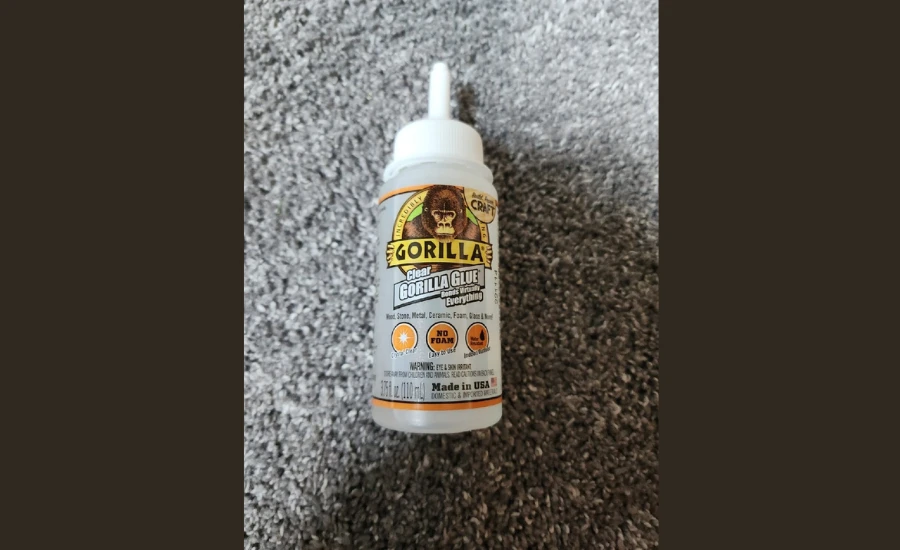

Picture a furniture designer in Indonesia, watching local craftsmen work. He’s there on business, sourcing materials for outdoor furniture. And then he notices something. The glue these craftsmen are using holds teak together in a way he’s never seen. It doesn’t budge. It doesn’t crack. It doesn’t give under humidity or heat or pressure.
He thinks: why doesn’t this exist in America?
That one question, asked in 1994 by a man named Mark Singer, eventually turned into one of the most recognized adhesive brands in the world, a company now valued at well over a billion dollars and sold in more than 70 countries.
This is the full story of Gorilla Glue, how it got built, what it’s worth today, and why the numbers around it are more complicated than most articles let on.
Quick Facts Table
| Detail | Information |
|---|---|
| Company Name | The Gorilla Glue Company |
| Founder | Mark Singer |
| Year Founded | 1994 |
| Headquarters | Sharonville, Ohio (suburb of Cincinnati) |
| Employees | Over 800 |
| Countries Sold In | More than 70 |
| Company Ownership | Ragland family (Pete and Nick Ragland, co-presidents) |
| Year Singer Sold Company | 1999 (retained equity stake) |
| Company Valuation | Estimated over $1 billion (private company, not publicly traded) |
| Annual Revenue | Estimated $160M–$700M depending on source (see honest note below) |
| Singer’s Estimated Net Worth | $250M–$500M across various sources |
| Key Products | Gorilla Glue, Gorilla Super Glue, Gorilla Tape, Gorilla Epoxy, Gorilla Sealant |
| Brand Recognition | 15+ consecutive years as top Cincinnati workplace (Cincinnati Enquirer) |
The Man Who Started It All
Mark Singer didn’t grow up dreaming about adhesives. He grew up around wood. His father had a small hobby woodshop in the family basement, and Singer spent hours there learning how things get built and how they come apart.
He earned a journeyman’s union carpenter license in 1972. He got into furniture design. Eventually, he founded a company called Giati Designs, which made high-end outdoor furniture from teak wood, the dense, weather-resistant timber that’s been used in outdoor applications for centuries.
Teak is beautiful. Teak is also famously difficult to glue. Its natural oils resist most adhesives, which meant Singer spent years dealing with the limitations of ordinary glues while trying to build furniture that needed to hold together outdoors in all kinds of conditions.
That frustration set him up perfectly for what came next.
The Indonesia Discovery That Changed Everything
In 1994, Singer was in Indonesia on a business trip related to his furniture company. He watched local craftsmen bonding teak furniture together using a polyurethane adhesive he’d never encountered before. The formula was manufactured in Denmark. The local workers used it matter-of-factly, the way someone uses a tool they’ve always had.
Singer recognized immediately what he was looking at. Polyurethane glue works differently from ordinary adhesives. It actually uses moisture to activate and cure, which means it bonds better in conditions where other glues fail. It works across different materials including wood, metal, ceramic, stone, and concrete. It expands slightly as it cures, filling tiny gaps that other adhesives skip over.
He didn’t invent the formula. He didn’t improve the chemistry. He simply recognized that this product, already being manufactured and used in parts of the world, was almost entirely absent from the North American market. He went back to the United States and secured the exclusive North American distribution rights from the Danish manufacturer.
That’s the whole founding story. A woodworker on a business trip in Indonesia, paying attention to what the craftsmen around him were using.
Building the Brand From Cincinnati
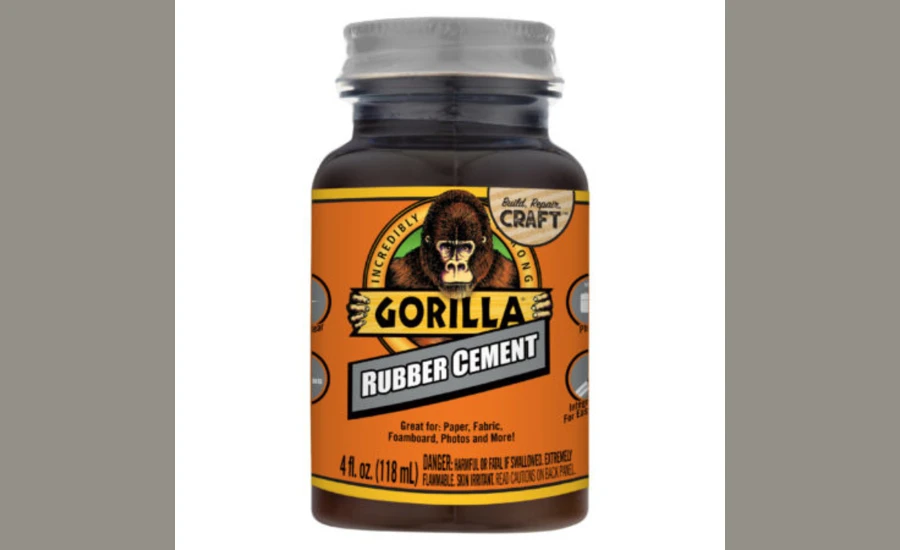
Singer’s work after securing those distribution rights was about positioning and branding, not chemistry. He chose Cincinnati, Ohio as his base of operations, a Midwestern city with strong manufacturing culture and access to major distribution networks.
He gave the product a name that communicated strength immediately. Gorilla. Nobody needed to explain what that meant. He built marketing around simple, demonstrable claims. The product holds better. It works on more surfaces. It handles conditions that other glues can’t.
The early customer base was woodworkers and serious DIY enthusiasts, people who’d actually struggled with conventional adhesives and immediately understood the value proposition of something that worked across materials and didn’t give up under stress.
Word spread through the DIY and contractor communities faster than advertising could have pushed it. People who tried it told other people. That organic credibility built a foundation no amount of paid marketing could have purchased outright.
The 1999 Sale and What Singer Kept
In 1999, five years after discovering the product and building the initial brand, Singer sold The Gorilla Glue Company to Pete and Nick Ragland, a family from the Cincinnati area who’ve run it ever since.
This is a detail that many articles about Gorilla Glue get wrong or skip entirely. Singer sold the company. He didn’t walk away from it with nothing, but he also isn’t the person running it today and hasn’t been for over 25 years. The Ragland family owns and operates The Gorilla Glue Company. Pete and Nick Ragland serve as co-presidents as of 2026.
What Singer did keep is meaningful: he retained a significant equity stake in the company as part of the sale terms. That decision, holding onto ownership while stepping back from daily operations, turned out to be one of the most financially important choices of his life.
As Gorilla Glue grew from a niche adhesive product into a household brand sold globally, Singer’s retained equity stake grew in value alongside it. He gets the financial benefit of the company’s success without having to run it. That’s not a minor distinction when you’re trying to understand why his estimated net worth lands in the hundreds of millions.
The Raglands Build Something Much Bigger
After the 1999 acquisition, Pete and Nick Ragland took the initial foundation Singer had built and scaled it dramatically. They expanded the product line far beyond the original polyurethane formula.
The Gorilla Glue product family now includes Gorilla Super Glue, Gorilla Tape, Gorilla Epoxy, Gorilla Sealant, Gorilla Construction Adhesive, Gorilla Wood Glue, and several other specialty products. That diversification moved the company from one strong product into a comprehensive adhesive and tape brand that covers most needs a homeowner, contractor, or industrial buyer might have.
The company relocated from its original Cincinnati address to a larger facility in nearby Sharonville, Ohio in late 2016. Today it employs more than 800 people, operates distribution into more than 70 countries, and has been recognized by the Cincinnati Enquirer as one of the top places to work in the greater Cincinnati area for 15 consecutive years. That last detail, sustained employee satisfaction across a decade and a half, speaks to how the company has been managed under Ragland family leadership.
What Is Gorilla Glue Actually Worth?
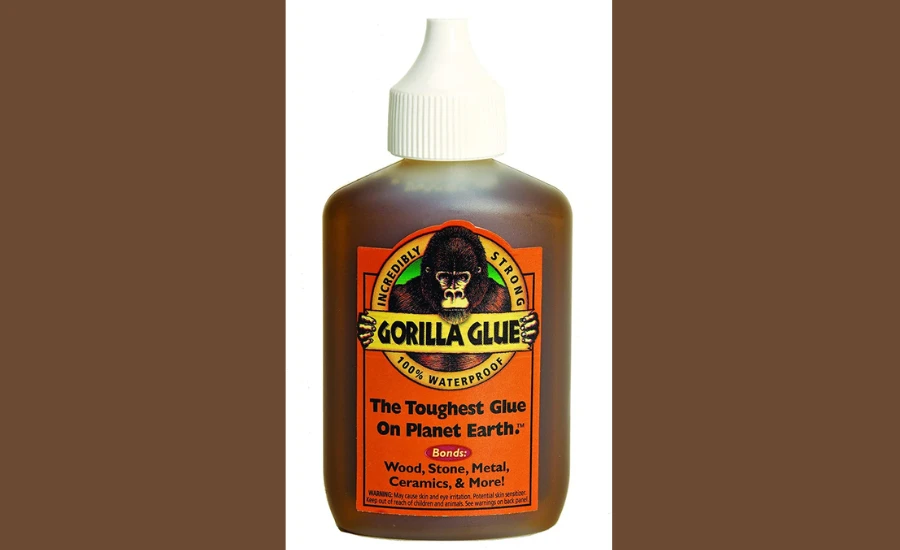
Here’s where honesty matters more than a confident-sounding number.
The Gorilla Glue Company is a privately owned business, so it does not release public financial reports or trade on the stock market. As a result, there are no audited figures revealing its exact revenue or overall valuation. Any estimates of the company’s worth are based on external assessments, including its market presence, workforce size, industry trends, and comparisons with similar businesses.
With that said, the most thorough available analysis suggests the company’s annual revenue falls in the range of approximately $160 million based on industry data, according to the most carefully sourced estimate available. Multiple other sites claim $500 million to $700 million per year, but those figures appear to be significantly inflated based on comparable publicly traded adhesive companies.
In terms of total company valuation, the broad consensus across multiple sources is that The Gorilla Glue Company is worth over $1 billion. That billion-dollar valuation figure appears consistently enough across credible market analysis to be treated as a reasonable floor rather than a ceiling.
Mark Singer’s Personal Net Worth
What does all of this mean for Mark Singer’s personal wealth?
His retained equity stake in a company worth over a billion dollars represents the majority of his estimated net worth. On top of that, he’s built additional wealth through investments in real estate, other business ventures including his original furniture company Giati Designs, and projects connected to his ongoing entrepreneurial interests.
Across multiple sources, Singer’s personal net worth is most commonly estimated somewhere between $250 million and $500 million. The most consistently cited figure across the broadest range of sources is around $300 million, though estimates stretch higher depending on assumptions about his equity percentage and the company’s current valuation.
Like the company’s valuation, Singer has never publicly confirmed his personal net worth. Despite his financial success, he has kept an unusually low public profile. He rarely appears in the media and has never built a social media presence around his wealth or lifestyle. Instead, he focused on building a successful business, selling it at the right time while retaining an ownership stake, and then turning his attention to new ventures.
The Products That Built the Billion
Understanding where the money actually comes from means looking at the product line the Raglands built after the 1999 acquisition.
The original Gorilla Glue polyurethane formula remains the flagship. But the company’s real commercial diversification happened through product expansion. Gorilla Tape competes directly with established tape brands in a massive consumer market. Gorilla Super Glue and Gorilla Super Glue Gel cover the fast-setting, small-repair segment that millions of households use constantly. Gorilla Epoxy handles structural repair needs that require real strength. Gorilla Construction Adhesive competes in the professional contractor market.
This range means Gorilla Glue touches multiple segments of the adhesive category rather than relying on a single product in a niche market. A homeowner fixing a broken ceramic mug might reach for Gorilla Super Glue. A contractor fastening materials might use Gorilla Construction Adhesive. Someone fixing a torn shoe sole might use a completely different formula from the same brand. The breadth of use cases across that product line is what supports a billion-dollar valuation.
The Tessica Brown Moment
In January 2021, a Louisiana woman named Tessica Brown accidentally used Gorilla Glue Spray on her hair after running out of her usual hair product. The results were immediate and severe. The spray, formulated with strong holding polymers, locked her hair in place so thoroughly that she couldn’t wash it out for over a month.
She went to the emergency room. She made TikTok videos. The story went viral across every major platform and became one of the most widely discussed consumer product stories of that year. Gorilla Glue trended globally for days.
The company responded by issuing product safety guidance and emphasizing that the spray was not designed or intended for use on skin or hair. The incident didn’t permanently damage the brand. If anything, it demonstrated in the most memorable possible way that Gorilla Glue products actually work exactly as advertised. The holding power that makes the products valuable is also the reason they don’t belong on hair.
The company navigated the moment professionally, and brand awareness, if anything, increased significantly as a result.
Why This Brand Kept Growing
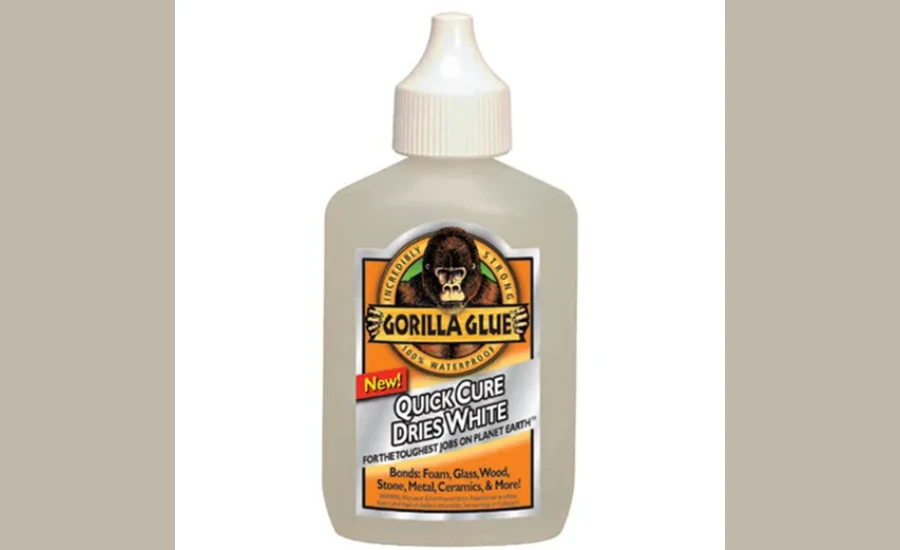
Most consumer adhesive products are essentially commodities. One brand of wood glue works roughly like another. The difference usually comes down to packaging and shelf placement.
Gorilla Glue took a different approach by creating a distinctive brand in a market where most people simply grab whichever adhesive is closest at hand. Its memorable name, iconic gorilla branding, and consistent focus on strength and durability helped forge a strong connection with consumers—something few competing brands have managed to accomplish.
Competitors like 3M and Loctite have enormous resources and well-established product lines. Gorilla Glue still managed to carve out and hold a leading position in several adhesive subcategories against those competitors. The brand loyalty the Ragland family built on Singer’s original foundation is real, and it shows up in repeat purchases and in the shelf space the brand commands at major retailers.
What Comes Next for Gorilla Glue
As of 2026, The Gorilla Glue Company shows no signs of slowing down. Global demand for adhesive and tape products in construction, home improvement, and industrial applications continues growing. The company’s presence in over 70 countries gives it exposure to markets growing faster than North America.
Product innovation remains a focus. New formulations, specialty products, and packaging improvements keep the brand from becoming static. The employee culture the Raglands have built, reflected in those consecutive years of workplace recognition, provides a stable operational foundation for continued growth.
Whether Mark Singer’s retained equity stake eventually generates a larger public payday, through a sale or investment round that would crystallize the company’s value in public numbers, remains to be seen. For now, the company stays private, the Raglands keep building it, and Singer’s paper wealth continues growing alongside it.
Final Words
Gorilla Glue’s billion-dollar brand story started with a simple observation in an Indonesian furniture workshop in 1994. A woodworker noticed something. He didn’t overthink it. He came home, secured the rights, built a brand around the product’s genuine strengths, and sold the company five years later while keeping a stake.
The Ragland family took that foundation and built it into a global adhesive empire with hundreds of products, thousands of retail locations worldwide, and a brand name recognizable in households on six continents.
Mark Singer’s estimated $250 million to $500 million net worth, and the company’s estimated $1 billion plus valuation, both trace back to that one moment of paying attention in the right place at the right time. Not a lab breakthrough. Not a venture capital round. Just a woodworker who recognized a great product when he saw one.
FAQ Section
1. What is Gorilla Glue’s net worth?
The Gorilla Glue Company is estimated to be worth over $1 billion, based on market analysis, though as a private company it has never publicly confirmed its valuation.
2. Who founded Gorilla Glue?
Mark Singer founded The Gorilla Glue Company in 1994 after discovering a polyurethane adhesive while on a furniture business trip in Indonesia.
3. Who owns Gorilla Glue now?
The Ragland family, specifically Pete and Nick Ragland who serve as co-presidents, has owned the company since purchasing it from Mark Singer in 1999.
4. Did Mark Singer invent the glue formula?
No. Singer did not invent Gorilla Glue. He came across the adhesive while it was being used by woodworkers in Indonesia. The product itself was manufactured in Denmark, and he later acquired the rights to distribute it across North America.
5. How much is Mark Singer worth?
His personal net worth is estimated between $250 million and $500 million, with most sources settling around $300 million, primarily from his retained equity stake in The Gorilla Glue Company.